
¡Tu carrito está actualmente vacío!
Exploring the psychology behind casino gaming What drives players
The Thrill of Uncertainty
One of the primary psychological factors that attract players to casinos is the thrill of uncertainty. The unpredictable nature of gambling creates a rush that many find exhilarating. This uncertainty taps into the human desire for excitement and can lead to a heightened release of dopamine, a neurotransmitter associated with pleasure and reward. The brain’s reward system is stimulated every time a player places a bet, creating a compelling cycle that encourages further play. For those looking for a break, canadian online casinos can also provide an exciting alternative to traditional gaming venues.

This thrill is often accentuated by the design and atmosphere of casinos. Bright lights, engaging sounds, and the promise of large payouts create an immersive experience that captivates players. For many, this environment serves as a temporary escape from reality, allowing individuals to indulge in a world fueled by chance and risk.
The Role of Social Interaction
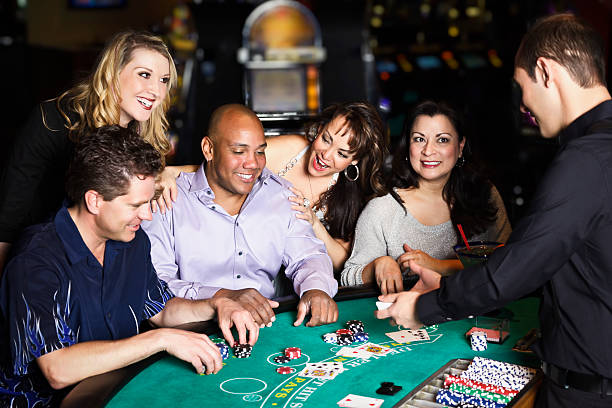
Another significant driver in casino gaming is the element of social interaction. Casinos often serve as social hubs where players can engage with friends or meet new people. This social aspect differentiates casino gaming from other forms of gambling, such as online betting, which lacks direct human interaction. The shared experience of celebrating wins or commiserating over losses fosters a sense of community among players.
Furthermore, these interactions can enhance the enjoyment of gameplay. Conversations with fellow players can create a more relatable and engaging atmosphere, making the experience feel more rewarding. The excitement of cheering on a companion at a table or sharing strategies can deepen emotional connections and reinforce a desire to return to the casino.
Addiction and Escapism
The allure of casino gaming is not without its darker sides. Many individuals are drawn to casinos as a form of escapism, seeking relief from daily stressors or emotional distress. This drive can blur the lines between casual play and more serious gambling problems. The psychological mechanisms behind addiction often stem from the reinforcement associated with winning, leading players to chase losses or seek out that initial high.
As players engage in this behavior, they may enter a cycle of dependency, wherein gambling becomes a primary coping mechanism. Understanding the psychological facets of addiction is crucial for both players and responsible gambling advocates, as it can pave the way for interventions and support structures aimed at helping those in need.
The Impact of Marketing and Design
Casino operators invest heavily in marketing strategies aimed at attracting and retaining players. The strategic placement of games, the design of gaming machines, and promotional offers are all crafted to trigger specific psychological responses. For example, slot machines are designed with bright colors, engaging sounds, and enticing jackpots, which can attract players and encourage prolonged play. These elements work together to create an environment where players may lose track of time.
Moreover, the use of loyalty programs and bonuses taps into the principles of behavioral economics, encouraging players to return in pursuit of rewards. This creates a sense of commitment that can keep players entrenched in the gaming cycle. Understanding these marketing techniques is key to analyzing how external factors can influence player behavior and drive continued engagement.
Community and Support for Players
In light of the various psychological factors that influence casino gaming, it’s essential to foster a community that supports responsible play. Many resources and organizations focus on providing support and information to individuals facing gambling-related challenges. These platforms offer guidance on recognizing harmful gaming habits and promote awareness about the importance of moderation.
Moreover, by encouraging conversations around responsible gaming, these communities empower players to make informed choices. Sharing experiences and strategies for maintaining a healthy relationship with gambling can significantly contribute to a more balanced approach to casino gaming, fostering an environment where enjoyment does not come at the cost of well-being.